3D Clown Bust: Art, Expression, and Mystery
In the world of digital fabrication, few subjects capture the duality of human emotion quite like the clown. The 3D Clown Bust is not merely a model for printing; it is a study in contrast, balancing cartoonish whimsy with an underlying sense of enigma. For designers, hobbyists, and small business owners looking to add character to their portfolios or product lines, this specific STL file offers a unique opportunity to explore texture, form, and narrative within a single object. Unlike flat graphics or standard geometric shapes, this bust demands attention through its expressive details and stylized features.
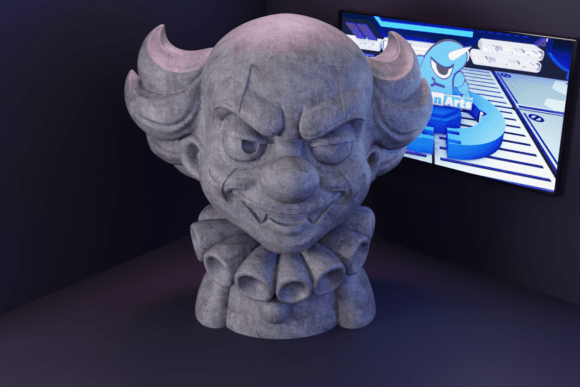
The visual characteristics of the 3D Clown Bust are designed to translate seamlessly from screen to physical reality. The model leans heavily into a cartoon aesthetic, yet it retains enough anatomical grounding to feel substantial. The exaggerated smile, often described as enigmatic, serves as the focal point, drawing the viewer into a complex emotional space that oscillates between humor and drama. This stylistic choice makes it an excellent subject for those interested in the intersection of pop culture and fine art sculpture. Whether you are creating a centerpiece for a themed event or a collectible piece for a gallery, the inherent personality of the model ensures it stands out.
Bridging Digital Design and Physical Reality
When evaluating design assets for 3D printing, the distinction between a simple mesh and a truly optimized model is critical. The 3D Clown Bust has been engineered with high-quality printing in mind, ensuring that the intricate details of the face, hat, and costume elements survive the manufacturing process without losing definition. This level of optimization is particularly important for creators who utilize resin printers, where surface smoothness and fine detail resolution are paramount. However, the model's robust geometry also makes it compatible with FDM (Fused Deposition Modeling) printers, allowing a broader range of makers to bring the concept to life.
For entrepreneurs and crafters, the versatility of this asset extends beyond the initial print. The model acts as a blank canvas for post-processing, inviting users to apply paint, weathering effects, or mixed media techniques. The deep crevices around the eyes and the folds of the collar provide natural guides for shading, while the broad planes of the hat offer space for bold color blocking. This adaptability transforms the 3D Clown Bust from a static download into a dynamic project that can be customized to fit various brand identities or personal tastes. It is a prime example of how modern digital tools empower individuals to create bespoke art pieces without needing extensive sculpting skills.
Strategic Applications in Branding and Decor
While the primary appeal of the 3D Clown Bust lies in its artistic merit, its utility in commercial and branding contexts is equally significant. In the realm of editorial design and packaging, physical props often serve as powerful storytelling devices. A printed version of this bust can act as a striking prop for product photography, adding a layer of mystery or playfulness to campaigns targeting niche audiences. For instance, a brand focusing on alternative fashion or avant-garde accessories might use the bust to reinforce a message of non-conformity and creative expression.
Furthermore, the model fits naturally into the ecosystem of themed decor and retail displays. Small business owners operating boutique stores, escape rooms, or immersive entertainment venues can leverage the 3D Clown Bust to create memorable environments. Its presence adds a tactile element that digital signage cannot replicate, engaging customers on a sensory level. When considering brand identity, the ability to hold a physical representation of your creative vision can significantly enhance audience engagement. The bust becomes more than just an object; it becomes a conversation starter that embodies the values of creativity, humor, and artistic depth.
Navigating Typography and Visual Hierarchy
It is important to clarify a common misconception when discussing design assets: the 3D Clown Bust is a three-dimensional sculptural model, not a typeface. While the original prompt mentions terms like "premium font," "display font," and "serif font," these concepts do not apply directly to the geometry of a 3D bust. Instead, the bust functions as a visual anchor that complements typography rather than replacing it. Understanding this distinction is crucial for designers aiming to maintain professional standards in their projects.
However, the principles of visual hierarchy and readability that govern typography are equally relevant when integrating a 3D object into a broader design system. Just as a modern typography choice sets the tone for a website, the inclusion of a 3D Clown Bust sets the mood for a physical space or a marketing campaign. If you are designing a poster or a social media graphic featuring the bust, the way you pair it with text matters immensely. A bold, sans-serif font might emphasize the cartoon style of the model, while a delicate script font could highlight the dramatic, mysterious aspects of the character's expression.
Consider the interplay between the bust and your chosen typeface. If the goal is to create a cohesive brand identity, ensure that the weight and style of your text align with the energy of the sculpture. For example, using a heavy, blocky display font alongside the bust reinforces its solid, impactful nature. Conversely, pairing it with a handwritten font might soften the overall aesthetic, suggesting a more personal, artisanal touch. This careful consideration of font pairing and visual balance ensures that the final composition feels intentional and polished, regardless of whether the medium is digital or print.
Practical Guidance for Creators and Collectors
For those ready to integrate the 3D Clown Bust into their workflow, practical preparation is key. Before initiating a print, evaluate the scale required for your specific project. The model's detailed features, such as the painted-on smile and the texture of the hat, may require different infill densities or layer heights depending on the printer technology used. Resin printers will likely yield the sharpest results for the facial expressions, while FDM printers may benefit from slight scaling up to ensure structural integrity in thinner areas.
Additionally, consider the licensing and commercial rights associated with the STL file. As with any premium design asset, verifying the terms of use is essential for commercial applications. If you plan to sell printed versions of the bust or use images of it in marketing materials, ensure that the license permits such activities. This due diligence protects your business and respects the intellectual property of the creator. By treating the 3D Clown Bust as a serious component of your design toolkit, you unlock its full potential as a vehicle for artistic expression and commercial success.
Ultimately, the value of the 3D Clown Bust lies in its ability to provoke thought and inspire creativity. It challenges the viewer to look past the surface-level humor and engage with the deeper themes of art and mystery. Whether you are a seasoned designer refining your portfolio or a hobbyist exploring the possibilities of 3D printing, this model offers a rich, rewarding experience. By approaching it with a strategic mindset and a keen eye for detail, you can transform a simple digital file into a tangible masterpiece that resonates with your audience.