100 That Witch Photo Frame Shadow: A Practical Guide to Layered Holiday Decor
Holiday decor often relies on the same repetitive themes, but the 100 That Witch Photo Frame Shadow project offers a distinct alternative for crafters looking to display personal memories with a touch of whimsy. This digital design package is specifically engineered for laser cutting enthusiasts and those who utilize vinyl cutters with scoring capabilities. Unlike standard flat frames, this project utilizes a layered shadow box approach to create depth, transforming simple photographs into three-dimensional art pieces. For adults aged 20 to 50 who are evaluating DIY projects against store-bought alternatives, understanding the mechanics, material requirements, and aesthetic outcomes of this specific design is essential before committing time and resources.
Understanding the Design Concept and Structure
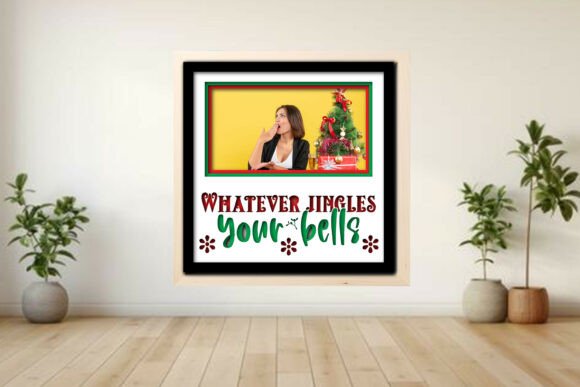
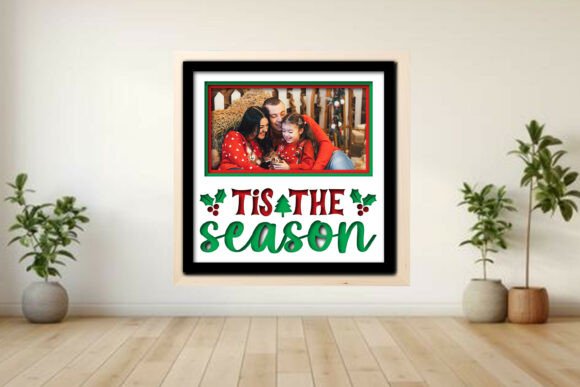
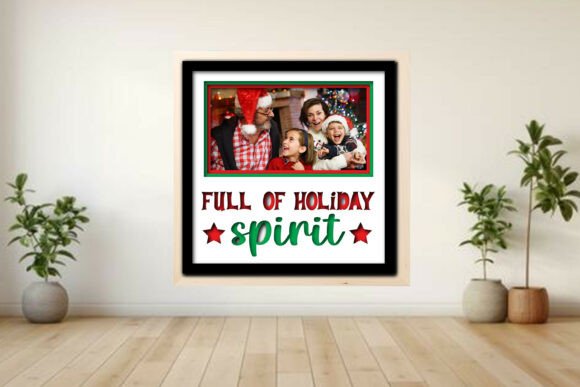
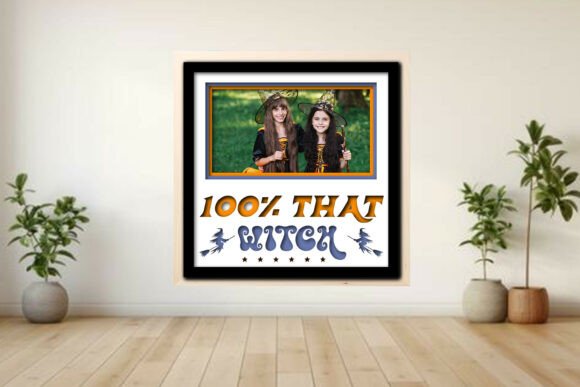
The core appeal of the 100 That Witch Photo Frame Shadow lies in its construction method. It is not merely a border around an image; it is a multi-layered assembly designed to cast shadows and highlight specific elements within the frame. The design includes separate layers for the backer, the main frame mat, and decorative accents such as the "Santa squad," trees, and stars. When assembled, these layers sit at different depths, creating a visual separation that mimics professional shadow boxes found in retail stores.
This structural complexity distinguishes it from single-cut silhouette frames or basic photo mats. The inclusion of score lines allows for precise folding, which is critical for maintaining the integrity of the 3D effect without requiring complex joinery or adhesives that might damage delicate materials. The design is fully scalable, meaning users can adjust the dimensions to fit various photo sizes, ranging from standard 4x6 prints to larger formats, provided their machine bed size accommodates the expanded layout. This scalability is a significant advantage over pre-manufactured frames, which often force users to crop photos awkwardly to fit fixed dimensions.
Compatibility Across Cutting Platforms
One of the primary decision factors when selecting a digital file is hardware compatibility. The 100 That Witch Photo Frame Shadow is versatile, supporting a wide range of popular machines. It is optimized for laser cutters such as Glowforge®, xTool®, and OMTech, where the color-coded vector paths (red for cut, blue for score, black for engrave) streamline the setup process. For users relying on Light Burn software, the file comes with an LBRN2 project preset, reducing the trial-and-error phase associated with setting power and speed parameters.
However, the design also caters to the vinyl cutter community. It is compatible with Cricut® and Silhouette® devices, though with a caveat: these machines cannot perform true laser scoring or engraving. Instead, they rely on the included score lines to create foldable sections. Users must evaluate whether their workflow aligns better with the precision of laser cutting or the accessibility of vinyl cutting. While the laser version offers deeper cuts and potential texturing through engraving, the vinyl version provides a cost-effective entry point for those without access to laser equipment. Both approaches yield the same final aesthetic, but the production time and material finish will differ slightly.
Comparing Layered Shadow Boxes to Traditional Frames
When comparing the 100 That Witch Photo Frame Shadow to traditional framing options, several trade-offs emerge regarding cost, customization, and effort. Store-bought shadow boxes are convenient but often lack the thematic specificity desired for holiday decor. They are typically generic, featuring neutral colors or standard glass fronts that do not integrate well with personalized "Santa squad" motifs. In contrast, this DIY project allows for complete control over the narrative of the frame, enabling users to curate layouts for one, two, three, or six photos to tell a cohesive story of Christmases past.
From a financial perspective, purchasing a high-quality shadow box for every family member or memory collection can become expensive quickly. The digital download model of this project shifts the cost structure from per-unit pricing to a one-time investment in the file, with subsequent costs limited to raw materials like plywood or cardstock. For frequent crafters, this represents a significant long-term saving. However, the trade-off is the requirement for technical skill and equipment. Unlike buying a frame off the shelf, assembling this project demands familiarity with cutting software, material handling, and basic assembly techniques.
Another comparison point is the material durability. Laser-cut plywood, a common choice for this project, offers a rustic, sturdy finish that withstands years of display better than thin cardboard or flimsy plastic frames. Yet, it requires careful finishing to avoid splintering and may need sealing if displayed in humid environments. Vinyl-cut paper or cardstock versions offer a lighter, more ephemeral look suitable for temporary seasonal displays but lack the archival quality of wood.
Evaluating File Formats and Workflow Efficiency
The utility of the 100 That Witch Photo Frame Shadow is heavily dependent on the variety of file formats provided. The package includes SVG, DXF, PDF, EPS, and PNG files, ensuring compatibility across almost all design software ecosystems. For professionals using Adobe Illustrator or CorelDRAW, the vector-based SVG and EPS files allow for easy modification of text or minor design tweaks. Hobbyists using simpler interfaces will find the DXF format reliable for direct import into machine drivers.
The inclusion of a simple assembly guide PDF is a critical component for user success. Complex layered projects can be intimidating without clear instructions on how to stack the backer, mat, and accents. The guide bridges the gap between the digital file and the physical object, detailing the order of operations for gluing and inserting photos. This reduces the likelihood of errors that could ruin materials, a common frustration in DIY projects where mistakes are costly in terms of both money and time.
It is important to note that this is a digital download only. No physical product is shipped, and mock-up photos are for illustrative purposes only. This distinction is vital for buyers expecting a ready-made item. The value proposition rests entirely on the user's ability to execute the design. Therefore, individuals new to laser cutting or vinyl crafting should assess their current skill level. If you have never run a material test or calibrated a blade depth, this project might serve as a learning curve rather than an immediate success.
Material Considerations and Testing Protocols
While the design is tested on 3 mm plywood, material selection remains a variable that affects the final outcome. Plywood offers a warm, natural tone that complements holiday themes, but other materials like MDF, acrylic, or thick cardstock can alter the aesthetic significantly. Acrylic, for instance, would provide a sleek, modern look but requires different laser settings to prevent melting or excessive fumes. Cardstock is ideal for lightweight decorations but lacks the rigidity needed for a permanent display.
A crucial step in the workflow is running a material test before cutting the full design. Settings vary widely between machines, even among models from the same manufacturer. Power levels that work perfectly on one Glowforge unit might scorch the wood on another due to calibration differences or age. The 100 That Witch Photo Frame Shadow file includes color-coded instructions to help manage these variables, but user diligence is required. Ignoring this step risks ruining the entire batch of materials, particularly if the design includes intricate details like the "Santa squad" figures which require clean, precise cuts.
Determining the Right Fit for Your Project
The 100 That Witch Photo Frame Shadow is the right choice for crafters who prioritize customization, depth, and a handmade aesthetic over convenience. It is particularly well-suited for those who already own a laser cutter or a capable vinyl cutter and are looking for meaningful ways to use their equipment during the holiday season. The ability to choose from multiple photo layouts makes it an excellent option for families with varying numbers of cherished memories to display.
Conversely, this project may not be the best fit for individuals seeking instant gratification or those without access to the necessary tools. If you do not own a cutting machine and are unwilling to learn the software, the barrier to entry is too high. Similarly, if your goal is a quick, throwaway decoration, the time investment required to cut, assemble, and potentially finish the wood may outweigh the benefits. In such cases, a pre-made frame or a simpler printable template might be more appropriate.
Ultimately, the decision to pursue this project depends on balancing your technical capabilities with your desire for unique, personalized decor. By leveraging the scalable nature of the file and the robust support of multiple formats, experienced hobbyists can create heirloom-quality pieces that stand out in any home. For those willing to invest the time in learning and testing, the result is a sophisticated display that captures the spirit of the holidays while honoring personal history.