67 Six Seven Photo Frame Shadow: A Practical Guide to Layered Laser Cutting Projects
For hobbyists and makers who utilize laser cutting technology, the transition from simple flat cuts to multi-dimensional shadow boxes represents a significant step in creative capability. The 67 Six Seven Photo Frame Shadow design is one such project that bridges the gap between basic crafting and sophisticated display art. This digital resource provides a structured approach to creating layered memory frames, specifically optimized for machines like Glow Forge®, xTool®, and OMTech®. Unlike generic frame templates, this design emphasizes depth through a specific stacking of layers, including backer boards, mats, and thematic accents like "Santa Squad" figures or seasonal trees. Understanding the mechanics and utility of this specific file set is essential for anyone evaluating whether it fits their workflow, material inventory, and aesthetic goals.
Understanding the Layered Design Philosophy
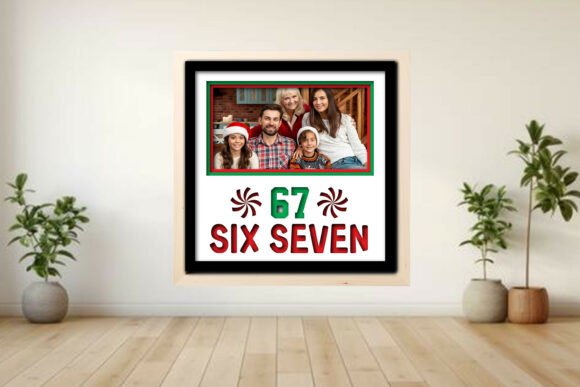
The core distinction of the 67 Six Seven Photo Frame Shadow lies in its architectural approach to photography display. Traditional photo frames often rely on a single mat board or a glass cover to separate the image from the backing. In contrast, this project utilizes a true 3D effect by separating the frame into multiple distinct physical planes. The design includes a backer, a primary frame mat, and foreground elements such as score lines for folding or engraving. When assembled, these layers create a recessed space where the photograph sits, casting a literal shadow that enhances the visual weight of the image.
This method is particularly effective for holiday decor or commemorative displays because it adds texture without requiring complex joinery. The inclusion of color-coded layers—typically red for cut lines, blue for score lines, and black for engrave paths in software like LightBurn—simplifies the manufacturing process. For users managing multiple materials, this organization reduces setup time and minimizes errors during the cutting phase. The design supports various layouts, allowing the creator to choose between displaying a single large memory or a collage of up to six smaller images. This flexibility makes the 67 Six Seven Photo Frame Shadow adaptable to different aspect ratios and personal preferences.
Compatibility and Workflow Integration
When evaluating digital cutting files, machine compatibility is a primary decision factor. The 67 Six Seven Photo Frame Shadow is engineered to work across a broad spectrum of desktop and industrial laser systems. It is natively compatible with popular brands such as Glow Forge®, xTool®, and OMTech®, which are staples in the maker community. Furthermore, the file package includes formats suitable for vinyl cutters like Cricut® and Silhouette®, provided the user has the capability to handle score lines or thin wood veneers.
The file suite typically includes SVG, DXF, PDF, EPS, and PNG formats, ensuring that regardless of the vector software used—whether it is LightBurn, Illustrator, or CorelDraw—the geometry remains intact. For those utilizing LightBurn, the inclusion of an LBRN2 project file streamlines the process significantly. This pre-configured file handles layer separation automatically, assigning the correct power and speed settings based on standard 3 mm plywood configurations. However, it is critical to note that laser output varies by machine wattage and lens focal length. While the file offers a starting point, running a material test grid is a non-negotiable step to ensure clean cuts without charring the edges of the delicate accent pieces.
Comparing Shadow Box Styles and Alternatives
In the broader landscape of DIY photo framing, several approaches exist, each with distinct tradeoffs. Flat-cut frames, which involve a single piece of wood with a routed center, are generally faster to produce but lack the visual depth of the 67 Six Seven Photo Frame Shadow. They are often less forgiving regarding photo sizing, as there is no adjustable matting layer to hide slight discrepancies in the print size.
Another common alternative is the use of pre-fabricated wooden frames purchased from craft stores, which are then customized with laser-engraved text or stickers. While this route saves time on construction, it limits the customization of the frame's dimensions and style. The 67 Six Seven Photo Frame Shadow offers a middle ground: it requires assembly but provides a level of bespoke detail that off-the-shelf products cannot match. Compared to complex shadow box projects that require glue joints, dowels, and precise woodworking skills, this design relies on interlocking tabs or simple adhesive application, making it accessible to intermediate crafters.
Furthermore, when compared to purely decorative wall art that does not hold photographs, this project serves a dual function. It preserves memories while acting as a thematic decoration. The optional accents, such as the "Santa Squad" or star motifs, allow the frame to shift from a neutral year-round display to a specific holiday centerpiece. This versatility is a key advantage over static designs that are either purely functional or purely ornamental.
Evaluating Material Choices and Scalability
A significant strength of the 67 Six Seven Photo Frame Shadow is its scalability. Because the files are vector-based, they can be resized to accommodate various photo dimensions without losing resolution. This feature allows users to experiment with different sheet sizes of plywood, MDF, or acrylic. For instance, a user might scale the design down to create a small gift tag or enlarge it for a mantel centerpiece.
However, scaling introduces tradeoffs regarding structural integrity. If the design is enlarged significantly, thinner materials may warp or bow under the weight of the stacked layers. Conversely, shrinking the design too much can render the intricate score lines or accent details difficult to cut cleanly on lower-power lasers. Users must balance their desired final size with the capabilities of their specific machine and the thickness of their chosen material. Standard 3 mm plywood is often recommended for this type of layered project, as it offers enough rigidity to hold the shape while remaining easy to cut.
Decision Factors: Is This Project Right for You?
Determining whether the 67 Six Seven Photo Frame Shadow is the appropriate choice depends on several variables within your crafting ecosystem. This project is an excellent fit for individuals who already own a laser cutter and wish to expand their portfolio beyond simple signs or coasters. It is particularly well-suited for those looking to create personalized gifts for the holidays, as the "Santa Squad" theme aligns perfectly with Christmas traditions. The ability to customize the layout (1, 2, 3, or 6 photos) makes it a practical solution for families wanting to showcase a collection of annual memories rather than a single snapshot.
Conversely, this project may not be the best option for beginners who have never operated a laser cutter or managed multi-layer assemblies. The requirement to understand color-coded layers, score lines, and nesting techniques presents a learning curve. Additionally, if you require a waterproof or outdoor-rated frame, this design using standard wood materials may not suffice without extensive sealing and finishing processes. For those seeking a quick, no-tool assembly, a pre-made frame might be more efficient.
It is also important to consider the nature of the product itself. As a digital download, there is no physical item shipped; the value lies entirely in the data and the instructions provided. The mock-up photos included in the listing serve as inspiration but do not come with the actual printed images. Buyers must source their own photographs and printing services. If you are looking for a turnkey solution where the final product arrives ready to hang, this digital file will not meet those expectations. However, for the maker who enjoys the process of creation, the 67 Six Seven Photo Frame Shadow offers a rewarding blend of technical challenge and sentimental payoff.
Practical Implementation and Assembly Considerations
Once the cutting phase is complete, the assembly of the 67 Six Seven Photo Frame Shadow requires attention to detail. The included PDF guide outlines the steps for gluing the layers together, but successful execution often depends on proper alignment. Using clamps or heavy weights while the adhesive cures ensures that the shadow effect remains consistent and the layers do not shift. The score lines, if utilized, allow for the creation of internal pockets or folded flaps that secure the photo without visible hardware.
Users should also plan for finishing touches. Raw plywood often benefits from sanding to smooth out any laser scorch marks, followed by staining or painting to match home decor. The layered nature of the frame means that paint application can be done before assembly for easier coverage, or after assembly for a unified look, though care must be taken not to seal the photo pocket shut. By understanding these nuances, creators can elevate the final product from a simple craft project to a polished piece of home decor.
Ultimately, the 67 Six Seven Photo Frame Shadow represents a thoughtful intersection of technology and tradition. It leverages modern laser cutting capabilities to enhance the timeless act of preserving family memories. Whether used for a holiday exchange or a personal archive, its adaptability and depth make it a valuable addition to any maker's library of projects.