Evaluating the Isometric Rotating Ferris Wheel
In the realm of digital illustration and vector graphics, few subjects capture the intersection of technical precision and nostalgic charm as effectively as a carnival ride. The Isometric Rotating Ferris Wheel represents more than just a static image; it is a study in perspective, motion simulation, and color theory within a constrained geometric framework. For professionals ranging from graphic designers to marketing strategists, understanding the utility and aesthetic impact of this specific asset is crucial for projects requiring high-impact visual storytelling without the overhead of complex 3D rendering software.
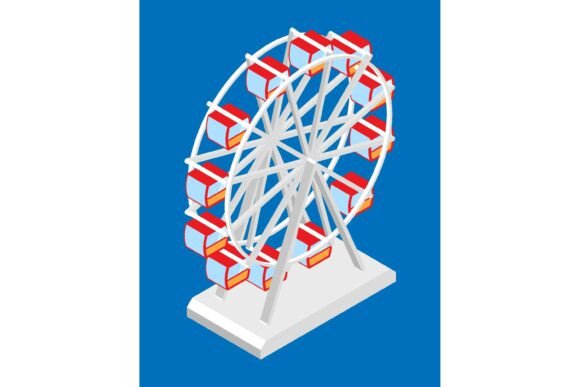
This particular illustration distinguishes itself through its vibrant red cabins that rotate smoothly against a clean white background. While the description sounds simple, the execution demands a sophisticated grasp of isometric projection rules. The result is a graphic that stands out not merely because of its subject matter, but because of how it manipulates depth and movement on a two-dimensional plane. For creators looking to inject energy into presentations, websites, or print materials, this asset offers a unique blend of artistic creativity and advanced technique.
The Technical Foundation of Isometric Motion
To appreciate the value of an Isometric Rotating Ferris Wheel, one must first understand the mechanics behind its creation. Isometric projection allows for a three-dimensional representation where the x, y, and z axes are equally foreshortened, typically at 30-degree angles from the horizontal. This creates a sense of volume and structure that flat illustrations lack, yet it remains cleaner and more stylized than photorealistic renders.
The challenge with rotating objects in this style lies in maintaining consistency. As the wheel turns, the perspective of each cabin must shift logically while adhering to the rigid grid of the isometric view. The smooth rotation described in this artwork suggests a mastery of frame-by-frame animation principles or highly refined vector path manipulation. Unlike standard orthographic views, which can appear stiff, the isometric approach introduces a dynamic diagonal flow that guides the viewer's eye naturally around the composition.
For professionals evaluating this resource, the attention to detail in the shading and highlights is paramount. A successful isometric render relies heavily on light sources to define form. In this specific design, the interplay of light on the curved surfaces of the cabins and the structural spokes creates a lifelike effect that elevates the piece above generic clip art. This level of fidelity ensures that the graphic holds up well even when scaled for large format displays or high-resolution digital screens.
Key Visual Characteristics and Design Elements
- Vibrant Color Palette: The use of bright red cabins provides a strong focal point. Red is psychologically associated with excitement and energy, making it an ideal choice for themes involving entertainment, leisure, or celebration.
- Clean Background Integration: The stark white background serves a functional purpose. It isolates the subject, allowing the graphic to be easily integrated into various layouts without clashing with existing brand colors or text elements.
- Structural Integrity: The spokes and central hub are rendered with precise geometry, reinforcing the mechanical nature of the object while maintaining the stylized aesthetic.
- Motion Simulation: The "smooth rotation" implies a seamless loop or a series of frames that convey continuous movement, essential for engaging user interfaces or animated web headers.
Practical Applications in Professional Workflows
The versatility of the Isometric Rotating Ferris Wheel makes it a valuable asset across several industries. Its abstract yet recognizable nature allows it to serve as a metaphor for cycles, growth, continuity, or simply joy and leisure, depending on the context. Below are specific scenarios where this graphic demonstrates significant practical value.
Marketing and Brand Storytelling
Marketers often struggle to find visuals that convey movement and excitement without appearing chaotic. This illustration solves that problem by offering a controlled, rhythmic motion. It is particularly effective in campaigns related to family entertainment, travel, or event planning. The clean lines and professional finish ensure that the imagery aligns with corporate branding standards while still retaining an element of fun. When used in email headers, social media ads, or landing pages, the rotating element can significantly increase engagement rates by drawing the eye immediately to the call-to-action.
Presentation Design and Education
For educators and business presenters, visual aids are critical for maintaining audience attention. An Isometric Rotating Ferris Wheel can serve as an excellent visual metaphor for concepts such as recurring revenue models, project lifecycles, or seasonal trends. The smooth animation helps break the monotony of static slides, providing a moment of visual interest that reinforces the spoken message. Because the graphic is vector-based, it remains crisp regardless of the projector resolution, ensuring reliability in any presentation environment.
Digital Product Interfaces
UI/UX designers frequently utilize isometric assets to add depth to otherwise flat interfaces. This specific graphic can function as a loading animation, a reward screen in gamified applications, or a decorative element in dashboard designs. The consistent geometry fits well with modern design systems that prioritize clarity and structure. Furthermore, the white background simplifies the process of overlaying the graphic onto complex UI components without requiring extensive masking or blending mode adjustments.
Assessing Quality and Long-Term Value
When investing time or resources into acquiring or creating a graphic like the Isometric Rotating Ferris Wheel, it is essential to evaluate its longevity and adaptability. High-quality vector illustrations offer distinct advantages over raster images, primarily in their scalability. Whether the graphic needs to be resized for a mobile app icon or a billboard, the sharpness of the lines and the integrity of the shapes remain intact.
Reliability in this context also refers to the file's performance. Optimized vector files load quickly and do not tax system resources, making them ideal for web deployment. The smooth rotation mentioned in the description indicates efficient coding or rendering, which prevents stuttering or lag—a common issue with poorly optimized animations. This efficiency contributes to a better user experience, which is a key metric for digital success.
However, potential limitations should be acknowledged. The isometric style, while popular, may not suit every brand identity. Companies with a strictly minimalist or ultra-realistic aesthetic might find the stylized nature of this graphic too playful or distracting. Additionally, the reliance on a white background, while flexible, may require additional editing work if the final layout demands a transparent or colored backdrop. Professionals should ensure they have the necessary tools or skills to modify the asset if strict brand guidelines prohibit white space.
Who Benefits Most from This Asset?
This graphic is particularly well-suited for:
- Freelance Designers: Who need high-quality, ready-to-use assets to speed up client deliverables without sacrificing quality.
- Content Creators and Bloggers: Looking to enhance articles about tourism, events, or technology with visually engaging headers.
- Small Business Owners: Specifically those in the hospitality or event sectors, who require professional marketing materials on a budget.
- App Developers: Seeking polished UI elements that add a touch of personality to their products.
Strategic Recommendations for Implementation
To maximize the effectiveness of the Isometric Rotating Ferris Wheel, users should consider the surrounding context carefully. Pairing the vibrant red cabins with complementary cool tones, such as blues or teals, can create a striking contrast that enhances readability and visual appeal. Conversely, using it against warm backgrounds might reduce the impact of the red, causing the image to blend rather than pop.
Furthermore, timing is key when utilizing the animation aspect. In digital formats, the rotation speed should be calibrated to be noticeable but not dizzying. A slow, steady pace often conveys elegance and stability, whereas a faster rotation might suggest urgency or chaos. Testing the asset across different devices is recommended to ensure the smoothness of the rotation translates consistently from desktop to mobile environments.
Ultimately, the Isometric Rotating Ferris Wheel stands as a testament to the power of combining traditional artistic principles with modern digital techniques. It offers a reliable, aesthetically pleasing solution for professionals seeking to elevate their visual communications. By understanding its strengths, limitations, and optimal use cases, creators can leverage this asset to produce work that is not only visually captivating but also strategically sound.