Pink Abstract Stone Texture Background: A Practical Guide for Designers and Crafters
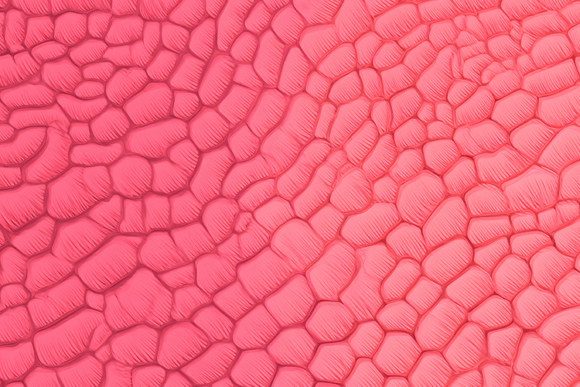
In the realm of digital design and physical crafting, texture often dictates the perceived value and emotional resonance of a final project. Among the myriad options available, the Pink Abstract Stone Texture Background has emerged as a versatile asset for professionals and hobbyists alike. This specific resource offers a unique combination of color psychology and tactile visual depth, characterized by an embossed pebble-style design and a detailed 3D surface effect. With dimensions of 5824 x 3264 pixels, it provides a high-resolution foundation suitable for everything from large-format posters to intricate sublimation prints. However, selecting the right background is rarely a one-size-fits-all decision. Understanding the distinct properties of this texture, how it compares to alternatives, and where it fits best within a workflow is essential for making an informed choice.
Defining the Distinctive Qualities of Pink Abstract Stone Textures
The primary appeal of a Pink Abstract Stone Texture Background lies in its ability to merge organic irregularity with a cohesive color palette. Unlike flat vector patterns or simple gradients, this texture simulates the complexity of natural stone through digital rendering. The "embossed pebble-style" description indicates a focus on micro-contrast; the interplay of light and shadow across the simulated surface creates a sense of volume that flat images lack. This 3D surface effect is particularly valuable when the goal is to add weight and substance to a design without overwhelming the viewer.
Color plays a critical role here. Pink, often associated with softness and warmth, takes on a different character when applied to a stone-like structure. It moves away from the cliché of pastel smoothness and introduces a rugged, modern aesthetic. This duality makes the texture distinct from standard floral or geometric backgrounds. The high resolution of the file—specifically the 5824 x 3264 pixel count—ensures that these fine details remain crisp even when scaled up for print. For projects requiring a "print-ready" status, this resolution is non-negotiable, as lower-quality files often result in pixelation or blurring when expanded beyond screen sizes.
Comparing Formats: Digital Papers vs. High-Resolution Textures
When evaluating resources for a project, it is helpful to compare the Pink Abstract Stone Texture Background against other common categories, such as standard digital papers or low-resolution stock photos. Standard digital papers are typically designed for scrapbooking and web use, often optimized at 72 DPI or 150 DPI. While sufficient for on-screen viewing or small cards, they frequently fail when used for large-scale printing like wall art or banners. In contrast, the high-resolution nature of this specific stone texture ensures that the intricate pebble details do not degrade during the printing process.
Furthermore, the distinction between a photographic background and an abstract texture is significant. A photograph of real pink stone might contain unwanted imperfections, distracting focal points, or inconsistent lighting that requires extensive editing. An abstract version, however, offers a stylized interpretation. It retains the organic feel of stone but removes the literal constraints of reality. This allows designers to overlay text, logos, or other graphic elements more easily, as the pattern serves as a consistent backdrop rather than a competing subject. For those comparing tools, the abstract approach often yields a more professional and cohesive result for branding materials than a raw photograph.
Evaluating Use Cases: Where This Texture Excels
The versatility of the Pink Abstract Stone Texture Background extends across several practical applications, each leveraging its specific strengths. In the context of posters and wall art, the 3D effect adds a layer of sophistication that elevates the piece above standard graphic designs. The texture mimics the look of handcrafted stucco or polished rock, giving the artwork a tangible quality that engages viewers from a distance. When printed on high-quality paper, the embossed illusion can be surprisingly convincing.
For sublimation projects, such as custom t-shirts or mugs, the texture's detail level is crucial. Sublimation ink penetrates the fibers of the material, and a high-resolution source file ensures that the transition of colors remains smooth and the pebble details remain sharp. A lower-quality image might appear muddy or blotchy after the heat transfer process. Similarly, in scrapbooking and invitations, this background provides a modern twist on traditional themes. It works exceptionally well for events seeking a blend of elegance and contemporary style, such as modern weddings, baby showers, or corporate galas where a softer, yet structured, aesthetic is desired.
Digital creators also find utility in this format for creating digital papers for online planners or app interfaces. The neutral yet textured nature of the pink stone allows foreground content to pop while maintaining visual interest. The key advantage here is consistency; the abstract nature ensures that the pattern repeats or tiles effectively if needed, unlike a random photograph which might have jarring edges when tiled.
Tradeoffs and Limitations to Consider
While the Pink Abstract Stone Texture Background offers significant advantages, it is not universally applicable. One primary tradeoff is the potential for visual busyness. The detailed 3D surface effect, while beautiful, can compete with text or delicate line art if not managed correctly. Designers must consider contrast ratios carefully. Placing thin, white typography directly over the lighter highlights of the pink stone may result in poor readability. In such cases, adding a semi-transparent overlay or choosing a bolder font weight becomes necessary.
Another consideration is the stylistic fit. The "pink stone" aesthetic leans towards modern, minimalist, or bohemian styles. It may clash with designs that require a stark, industrial look or a highly saturated, neon aesthetic. If a project demands a clean, flat vector look for scalability across all media types (including very small icons), a raster-based texture like this might not be the optimal choice. Vector graphics scale infinitely without loss of quality, whereas this JPG file, despite its high resolution, has a fixed pixel dimension. While 5824 x 3264 is substantial, extreme scaling beyond the intended print size could eventually reveal pixelation.
Additionally, the file format itself presents a limitation. As a JPG file, it is a compressed raster image. For workflows requiring transparency (such as placing the texture behind transparent elements in a layered composition), the user would need to convert the file or work around the solid background. Users accustomed to PSD or PNG formats with alpha channels might find this slightly restrictive, though the high quality usually mitigates the need for complex masking in most print scenarios.
Decision Factors: Choosing the Right Resource
Determining whether the Pink Abstract Stone Texture Background is the right choice depends heavily on the specific goals of the project. If the priority is achieving a high-end, tactile look for large-format prints without the cost of physical texturing, this resource is an excellent option. Its resolution supports professional output, making it superior to generic free downloads found on many stock sites.
However, if the project involves dynamic resizing for various screen sizes, or if the design requires complete control over individual elements of the texture (such as moving specific pebbles), a vector alternative or a photo-manipulation workflow might be more appropriate. Furthermore, if the target audience expects a very specific shade of pink that differs from the provided hue, the designer must evaluate whether color correction will compromise the integrity of the texture's lighting effects.
Ultimately, the decision should balance aesthetic requirements with technical constraints. For adults aged 20–50 who are managing their own creative businesses or personal craft projects, investing time in understanding these nuances prevents costly reprints and design revisions. The Pink Abstract Stone Texture Background serves as a powerful tool when applied to the right context, offering a bridge between digital convenience and physical realism. By weighing its strengths in resolution and detail against the limitations of raster formats and stylistic specificity, creators can ensure their final products meet professional standards.