Proud Member -- List Photo Frame Shadow: A Guide to Flawless Laser Cutting
Creating holiday decor that stands out often requires a blend of nostalgia and modern craftsmanship. The Proud Member -- List Photo Frame Shadow design offers exactly that, transforming simple plywood into a layered, three-dimensional keepsake that captures the spirit of the season. Whether you are using a Glowforge, xTool, OMTech, or even adapting the score lines for a Cricut or Silhouette, this project bridges the gap between digital design and tangible memory. However, the difference between a charming heirloom and a frustrating assembly job often lies in the details most creators overlook before they even turn on their machine.
Understanding the Layered Design Challenge
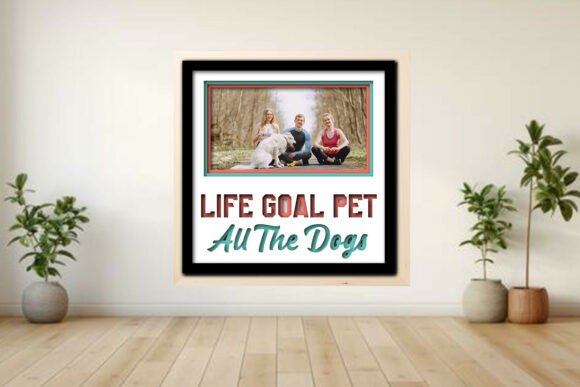
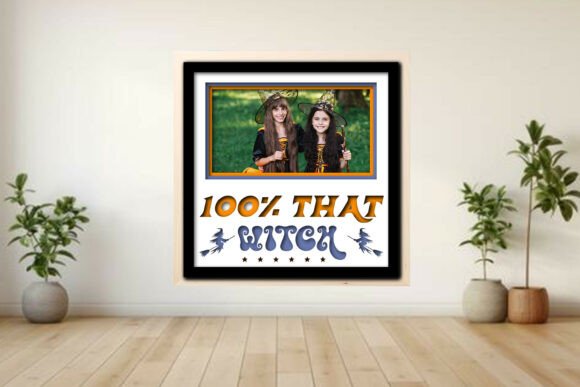
The appeal of the Proud Member -- List Photo Frame Shadow is its depth. Unlike flat decals or single-layer cuts, this project relies on multiple components—the backer, frame mat, "Santa squad" text, tree, and star accents—stacking to create a genuine shadow box effect. This 3D aesthetic is what makes it such a compelling choice for displaying photos from Christmases past. Yet, many beginners approach layered projects with the same mindset as single-layer cutting, leading to alignment issues and wasted material.
A common misunderstanding is assuming that because the file is scalable, the physics of the material remain constant. When you scale a design up or down to fit different photo sizes (1, 2, 3, or 6 layouts), you must also consider how your specific machine handles kerf and nesting. If you simply resize the entire group without adjusting the nesting tolerance, your pieces may become too tight to fit together or too loose to stay secure. The result is a frame that wobbles or looks misaligned, undermining the professional finish you aim to achieve.
Color Coding and Machine Settings: Where Projects Fail
One of the most critical aspects of this digital download is the color-coded layer system designed for Light Burn software. Red indicates cut lines, blue represents score lines, and black marks engrave areas. While this seems straightforward, ignoring these distinctions is a frequent source of failure. For instance, treating a score line as a cut line will sever the piece entirely, ruining the structural integrity of the frame mat. Conversely, failing to score deeply enough can result in a frame that cracks unevenly when bent rather than folding cleanly along the intended crease.
Another pitfall involves the assumption that settings are universal across machines. The design has been tested on 3 mm plywood, but every laser cutter behaves differently. An xTool D1 might require different power and speed settings compared to a Glowforge Aura or an OMTech CO2 laser. Jumping straight into a full production run without running a material test is a costly mistake. You risk burning through your plywood, leaving scorch marks that ruin the visual appeal, or under-cutting layers so they cannot be removed cleanly. Always dedicate a small scrap piece of your actual stock to a test grid before committing to the full Proud Member -- List Photo Frame Shadow project.
Material Selection and Grain Direction
The quality of your final product is inextricably linked to the quality of your substrate. Many hobbyists purchase generic plywood from big-box stores without inspecting the grain direction or glue content. Plywood with high glue content can release toxic fumes when lasered and often results in poor engraving contrast. Furthermore, if the grain runs perpendicular to your score lines, the wood may splinter or tear when folded, creating a jagged edge that looks unprofessional.
To avoid this, select sanded birch plywood specifically rated for laser cutting. Ensure the grain runs parallel to your score lines whenever possible. This simple check ensures that when you fold the frame mat, the wood fibers compress smoothly rather than snapping apart. Additionally, verify that your material thickness matches the design specifications. If the design assumes 3 mm plywood and you use 4 mm, the nested slots for the photo mats and accents will be too tight, potentially cracking the wood during assembly.
Navigating File Formats and Software Compatibility
The package includes SVG, DXF, PDF, EPS, PNG, and LBRN2 files, offering flexibility for various workflows. However, opening the wrong file type in the wrong software can lead to vector errors. For example, importing a raster PNG into Light Burn expecting editable vectors will force you to trace the image manually, losing precision and wasting time. Similarly, users accustomed to Cricut Design Space might struggle with the DXF format if they do not understand how to manage layers and score lines within that specific ecosystem.
If you are using a vinyl cutter like a Cricut or Silhouette, remember that these machines cannot cut deep grooves into wood; they can only handle the scoring aspect if you have a specialized tool, or more likely, you will use the score lines as a guide for manual folding after cutting the shape with a blade. Do not attempt to laser-cut the score lines on a vinyl cutter unless you have a specific setup for it. Stick to the laser for the cutting and scoring, and use the SVG or DXF for precise vector manipulation. Always organize your layers in your software before sending the job to the machine to ensure the red, blue, and black lines correspond correctly to your machine's operation modes.
Assembly Precision and Final Presentation
Once the cutting and scoring are complete, the assembly phase presents its own set of challenges. The layered nature of the Proud Member -- List Photo Frame Shadow means that every piece must sit perfectly flush. Rushing the assembly by forcing pieces together can lead to warping or visible gaps. Use the included simple assembly guide PDF to follow the correct stacking order. Typically, the backer goes first, followed by the photo mats, then the decorative accents like the "Santa squad" text and stars.
Adhesive application is another area where caution is required. Using too much glue can cause it to seep out onto the visible face of the frame, ruining the clean look. Too little glue, and the layers may shift over time, especially if the frame is moved frequently. Apply adhesive sparingly to the edges of the nested slots and allow adequate drying time before inserting the next layer. Also, remember that this is a digital download only; no physical products, photos, or mockups are included. You must source your own photos and print them at the correct resolution to match the layout dimensions. Low-resolution prints will look pixelated inside the frame, detracting from the high-quality craftsmanship of the laser-cut wood.
Making the Right Decision for Your Project
Before purchasing or downloading the Proud Member -- List Photo Frame Shadow, evaluate your current capabilities and equipment. Are you comfortable managing multi-layer files? Do you have access to a laser capable of scoring and cutting 3 mm plywood effectively? If you are new to laser cutting, take the time to familiarize yourself with your software's layer management features. The investment in learning these basics will pay off in the quality of your finished decor.
This project is an excellent opportunity to create unique holiday gifts or sell custom frames as a small business owner. By avoiding common pitfalls like skipping material tests, ignoring grain direction, and mismanaging file formats, you ensure that your final product is both durable and beautiful. With careful planning and attention to detail, the Proud Member -- List Photo Frame Shadow becomes more than just a craft project; it becomes a cherished way to display memories from Christmases past, crafted with pride and precision.